Cracks, Subsidence and Mould in Homes - Causes, Risks and Practical Solutions
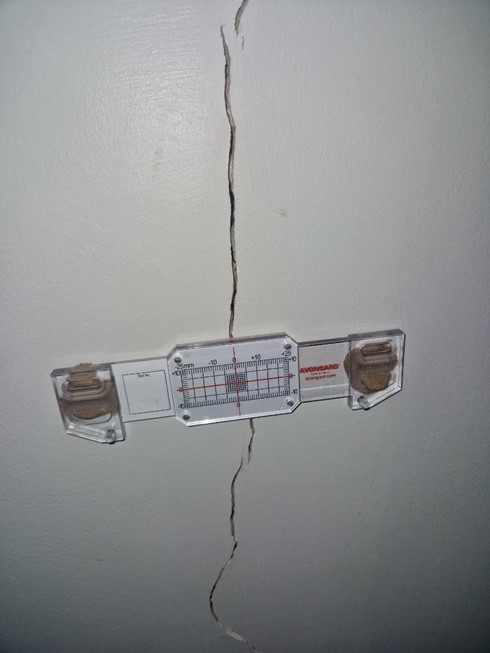
Cracks in walls, signs of movement, and mould growth are among the most common concerns raised by homeowners. While these issues can sometimes be linked, they often have different root causes and require measured investigation rather than guesswork.
At Sandarov Ltd, we regularly assess properties across North London where visible cracks or mould raise concerns about structural stability, moisture, or ventilation. This article explains what these signs mean, when to take action, and how problems are typically resolved.
Understanding Cracks in Walls
Cracks appear in many forms and not all are structural.
Common causes include:
Natural building settlement over time
Thermal movement (expansion and contraction of materials)
Shrinkage of plaster or finishes
Minor foundation movement
Changes in internal load paths following alterations
Hairline cracks are often cosmetic, while wider or progressive cracks may require monitoring or further investigation before repairs are carried out.
Key principle:
Cracks should be understood first, not immediately covered or filled.
When Cracks May Indicate Subsidence
Subsidence occurs when the ground beneath a building moves or compresses, affecting the structure above.
Possible contributing factors:
Clay soil shrinkage during dry periods
Tree root influence near foundations
Historic drainage issues
Changes to ground conditions over time
Not every crack means subsidence, but where cracks are:
Monitoring is often recommended before deciding on remedial works.
Crack Monitoring - Why It Matters
Rather than relying on assumptions, crack monitoring gauges are used to track movement over time.
This allows:
Confirmation whether movement is active or historic
Avoidance of unnecessary structural work
Informed decisions on repair methods
Monitoring is particularly useful where cracks are present but the building otherwise performs normally.
Mould Growth - Often a Ventilation Issue
Mould is frequently mistaken for a structural or damp-proof failure. In many homes, the underlying cause is poor ventilation rather than water ingress.
Typical contributing factors:
Lack of trickle vents
Blocked or undersized air bricks
Poor airflow behind furniture
Inadequate extraction in kitchens and bathrooms
Sealed modern windows without ventilation upgrades
Mould commonly appears on:
The Link Between Ventilation, Moisture and Cracks
While mould does not cause structural cracks, excess moisture can:
Addressing ventilation first is often the most cost-effective and least disruptive step before considering invasive works.
Practical Remedies and Solutions
Every property is different, but typical solutions may include:
Ventilation improvements:
Installing or upgrading air bricks
Introducing passive or mechanical ventilation
Improving airflow paths internally
Crack management:
Structural intervention (only where required):
The goal is always to resolve the cause, not just treat the symptom.
A Sensible, Evidence-Led Approach
Sandarov Ltd follows a measured, practical approach to diagnosing building issues. Where necessary, we work alongside structural engineers and building control to ensure solutions are appropriate, proportionate, and compliant.
We are:
Members of the Federation of Master Builders (FMB)
TrustMark accredited
Highly rated on Checkatrade and Google
Experienced in structural and refurbishment works across North London
Useful External Resources
For homeowners seeking further independent guidance:
(External references are provided for information only and do not replace professional assessment.)
If you are planning a home refurbishment and would like to discuss your project, you can contact Sandarov Ltd using the details below
Sandarov Ltd
470A Green Lanes, Palmers Green, London N13 5PA
Tel: +44 (0)20 8367 8072
Mob: +44 (0)7853 541 457
Email: info@sandarov.co.uk
Company Reg No: 7046368
VAT No: 188 610 580
If you’re planning refurbishment works or are concerned about cracks, subsidence, or mould, it’s always best to understand the cause first before committing to repairs.
👉 See how we prepare structural and internal works:
https://www.sandarov.co.uk/structural-works
📍 North London - N13 | N14 | N21 | EN2 | EN5
For further information or to discuss your property, visit our website or get in touch to arrange an initial review.